Game Developer

AI/ML student specializing in prompt engineering and LLM-powered systems. I build end-to-end GenAI products — from embeddings and vector databases to agentic pipelines and production-ready conversational interfaces.

Featured Projects

Selected Work
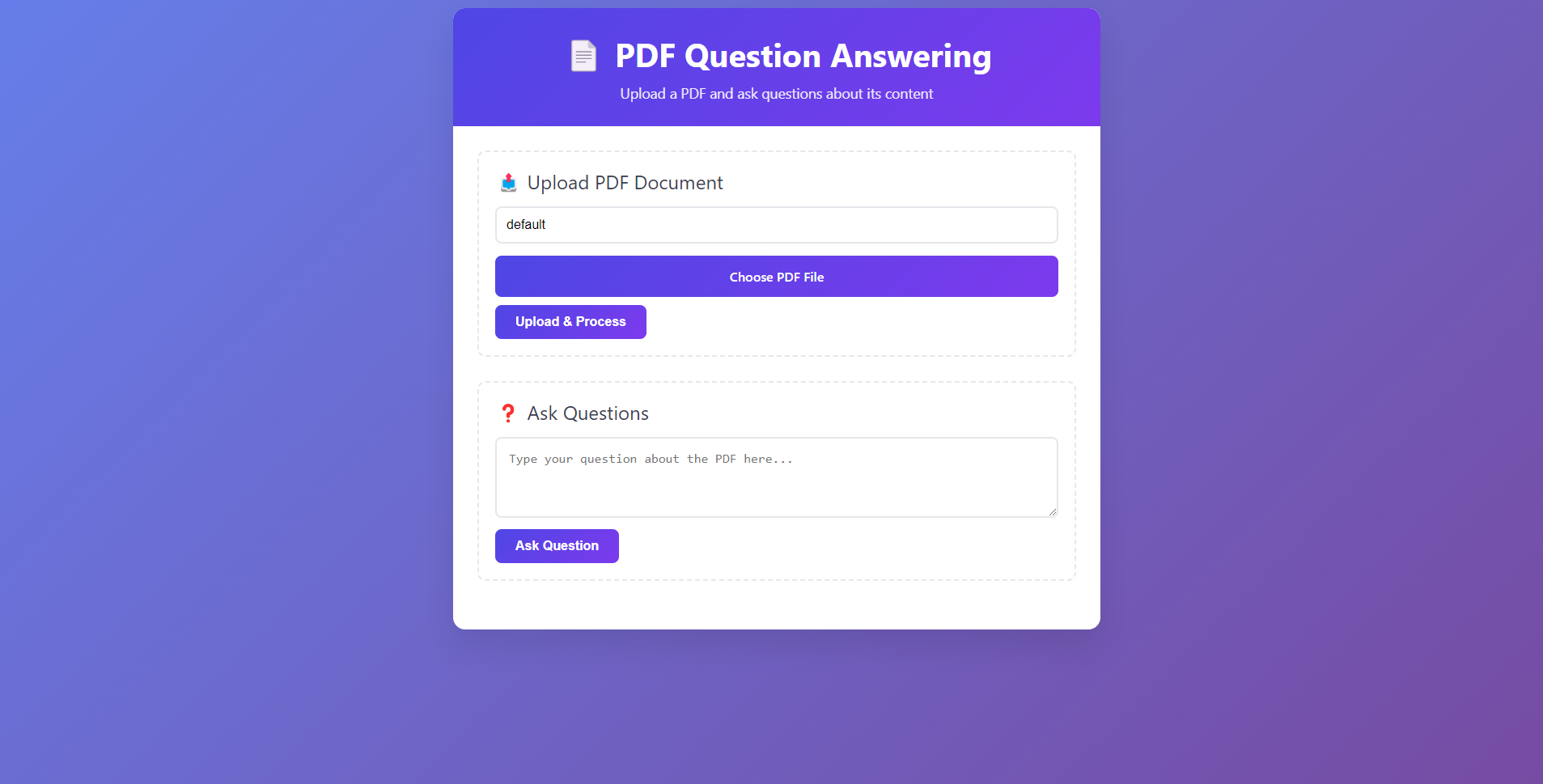
NCERT AI Learning Assistant

NCERT AI Learning Assistant

AWS Event-winning LLM-powered learning platform that converts NCERT textbooks into interactive quizzes and flashcards. Implements embedding-based retrieval using vector databases to simulate insight-driven conversations.

PythonVector DBEmbeddingsAWS
Qurotz.ai

Qurotz.ai

AI research agent built with LangChain and Groq. Multi-step web research and summarization using tool-augmented LLM workflows from scratch.

LangChainGroqPythonAgents
Claro

Claro

Clean productivity planning app with focus sessions and distraction-free task management. Built for speed and clarity.

Next.jsReactTypeScript
Review Intelligence

Review Intelligence

NLP pipeline for sentiment and quality analysis of product reviews. Surfaces actionable patterns for product teams using classification and clustering on real review data.

PythonNLPStreamlitScikit-learn

Technical Growth

Engineering Breakdowns

Short reflections on technical challenges I faced and how I approached solving them.

The hardest part wasn't getting each agent to work — it was managing state between them. Agents would contradict each other or lose context mid-pipeline. I had to design explicit handoff schemas and enforce output contracts at each step. Prompting each agent with awareness of what came before it was the key shift that made the system stable.

Key learning: Agentic reliability comes from structured handoffs, not just capable models.

When generating cold emails from job descriptions, the model would invent company details or fabricate product names. Switching to a retrieval-augmented approach — grounding each generation with retrieved context — reduced factual drift significantly. The bigger lesson was learning to treat hallucination as a retrieval problem, not a prompting problem.

Key learning: Anchor generation to retrieved facts; don't rely on the model's memory.

For the horror game, I kept adding assets expecting atmosphere to follow. It didn't. The real shift came when I started removing information — limiting visibility, slowing movement, and making sound do the work that visuals couldn't. Designing constraints turned out to be more powerful than designing content. The player's imagination filled the rest.

Key learning: Immersion is an absence problem as much as a presence problem.

Background

About Me

I'm currently exploring the intersection of game development, machine learning, agentic AI, and large language models. I like moving across domains to understand how intelligent systems actually work beneath the surface.

Right now, I'm especially focused on prompt engineering and LLM behavior. I'm learning how to guide models more effectively, design multi-agent workflows, and build end-to-end GenAI pipelines that go beyond simple API integrations.

I'm not trying to fit into a single label yet. I'm experimenting across systems, tools, and architectures to discover which problems resonate most with me, while building the technical depth needed to turn ideas into working products.

Get In Touch

Let's Connect

Happy to connect over ideas, internships, or collaborative work!